







Search Results for: lactose decomposition

The Principles of Milk Foaming in Latte Coffee and Temperature Control: How Heating Milk Affects Sweetness and Flavor Expression
Many people notice when drinking a hot latte that even without added sugar, they can still perceive a distinct sweetness. Where exactly does this sweetness come from? What changes does milk undergo during heating and steaming? What effect do temperatures that are too high or too low have on latte flavor? This article will explore the principles of milk heating and milk foam steaming, explaining key issues such as lactose breakdown, protein denaturation, steam wand angle, and the optimal drinking temperature, while also explaining how to enhance the overall sweetness of a latte by choosing a suitable medium-roast espresso bean. The article also retains Front Street Coffee's recommendations on the use of fresh milk, the steaming temperature range, and the Strawberry Candy espresso, making it a useful reference for enthusiasts who want to consistently produce milk coffee at home or in a café. [more…]
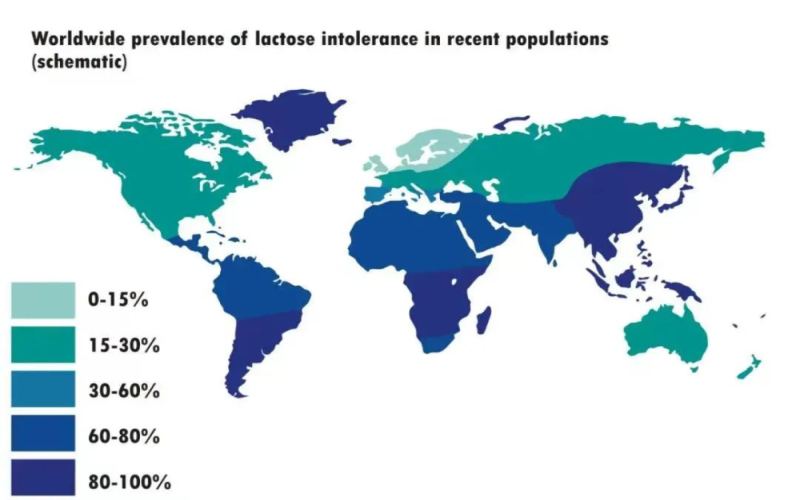
Lactose malabsorption is not the same as lactose intolerance—so why do Chinese people still have such a fondness for milk coffee?
A lactose intolerance data chart produced by a foreign website has led many people to mistakenly believe that 90% of Chinese people cannot drink milk. But medically, lactose intolerance and lactose malabsorption are actually two different concepts. The former refers to symptoms such as abdominal pain, bloating, and diarrhea, while the latter merely indicates that the small intestine's efficiency in absorbing lactose is somewhat low, and does not necessarily cause discomfort. If so many people really felt unwell after drinking milk, how could milk tea and milk coffee be so popular in China? Starting from data sources, physiological mechanisms, and the evolution of the coffee industry, this article discusses why Chinese people favor milk coffee, and where black coffee and milk coffee each stand in the specialty coffee wave. [more…]

Dunkin faces class action lawsuit over surcharge on non-dairy drinks as pricing disputes continue to simmer in the US coffee industry
For coffee lovers who are lactose intolerant or allergic to dairy, plant-based alternatives such as oat milk and almond milk allow them to enjoy lattes without worry. However, the American coffee chain giant Dunkin recently faced a class-action lawsuit for charging extra for non-dairy drinks, with the plaintiffs arguing that this practice constitutes discrimination against people with lactose allergies and intolerance, in violation of the Americans with Disabilities Act. This is not the first time the U.S. coffee industry has faced legal disputes over plant-based milk pricing; Starbucks has also previously faced similar allegations. This article will review the course of events, the legal basis, and industry reactions, and explore the cost and fairness issues behind the controversy over non-dairy drink pricing. [more…]

Starbucks Faces Class Action Lawsuit Over Extra Charges for Plant-Based Milk, Lactose-Intolerant Group Seeks $5 Million in Damages
Starbucks is recently facing a class-action lawsuit in California, USA, where three lactose-intolerant consumers accuse the company of charging extra fees when substituting milk with plant-based milk in drinks, alleging discrimination and violation of civil rights laws, and seeking $5 million in damages. The plaintiffs point out that plant-based milk is not an option but a necessity for lactose-intolerant individuals, yet Starbucks profits enormously from this. Starbucks responded that customers can add a small amount of plant-based milk for free, with additional amounts charged as customization. Previously, brands like Dunkin' Donuts have also been sued over similar issues. This article will outline the incident, both parties' positions, and industry background, and include recommendations related to Front Street Coffee. [more…]
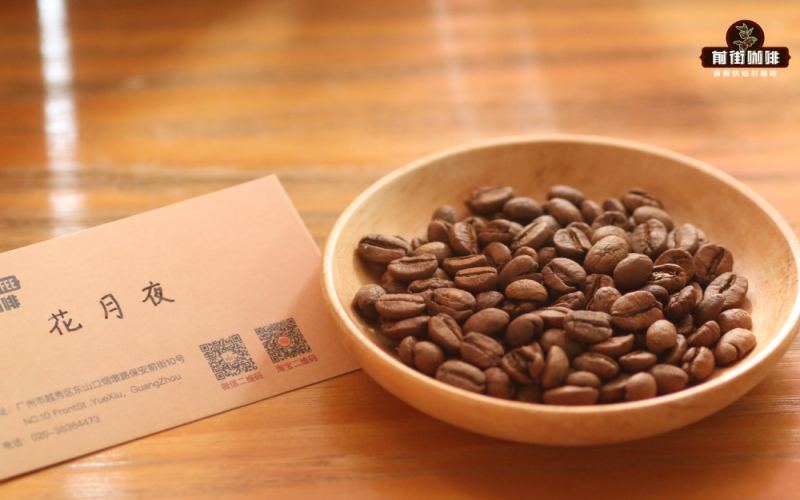
Introduction to Anaerobic Fermentation in Coffee | What Is the Anaerobic Fermentation Processing Method? What Is the Difference Between Anaerobic Natural, Anaerobic Washed, and Double Anaerobic Coffee Processing Methods?
Anaerobic Fermentation has been very popular in the coffee world in recent years, mainly because Sasa Sestic, the Australian competitor who won the 2015 WBC, started this trend, and even in 2018 WB [more…]

Luckin Prune Latte Sparks Discussion: How Lactose Intolerance and Psychological Suggestion Create the Coffee "Laxative" Experience
After Luckin Coffee launched its Prune Latte, social media platforms saw a surge of discussions about gastrointestinal reactions after drinking it, even jokingly dubbed the "suppository of the coffee world." The company later responded that the phenomenon mainly stems from coffee's promotion of intestinal peristalsis, combined with lactose intolerance and psychological suggestion. This article will review the course of events, the official explanation, and netizen feedback, and analyze why the same beverage triggers such consistent physiological reactions. At the same time, the professional communication channel of Front Street Coffee is retained at the end of the article for coffee enthusiasts to discuss further. [more…]

What exactly is oat milk as a plant-based milk? When used to make a latte, which has the better flavor compared with a milk latte?
In recent years, oat milk coffee has gradually entered the public eye, becoming a new choice for many coffee lovers. Oat milk comes from oats, a traditional Nordic ingredient, and is characterized by high plant protein, high dietary fiber, and low fat. It is also lactose-free, making it quite friendly to people who are lactose intolerant, vegetarian, or allergic to milk protein. So, compared with traditional milk coffee, which one actually tastes better? This article will start from the origins of oat milk and the groups it suits, combine the practical testing experience of Front Street Coffee, discuss the differences between different brands of oat milk paired with espresso beans, and offer bean selection advice for making a rich and silky oat milk latte. [more…]

Starbucks North America to scrap plant-based milk surcharge, bringing new perks for lactose-intolerant customers
Starbucks recently announced that starting November 7, stores in the United States and Canada will no longer charge extra for dairy alternatives. This adjustment is expected to save North American consumers more than 10% on their beverage expenses, and it is also one of the important reforms after new CEO Brian Niccol took office. Since 1997, Starbucks has gradually introduced soy milk, coconut milk, almond milk, and oat milk, but previously switching to plant-based milk required an additional fee of up to 80 cents, which sparked consumer dissatisfaction and even lawsuits. Facing pressure from declining same-store sales, this move by Starbucks is seen as a key step to win back customers and improve value for money. Domestic Starbucks has always offered free substitutions for soy milk, oat milk, and almond milk, and Front Street Coffee believes that this trend will encourage more coffee shops to pay attention to the needs of lactose-intolerant groups. [more…]

A Complete Guide to Anaerobic Fermentation Processing: The Differences Between Anaerobic Natural, Anaerobic Washed, and Double Anaerobic Methods
Anaerobic fermentation processing is a green bean processing technology that has attracted much attention in the coffee industry in recent years. Since Sasa Sestic, the 2015 WBC champion, brought it to the forefront, it has quickly swept through the specialty coffee world. Inspired by red wine-making techniques, this processing method injects carbon dioxide into a sealed container to expel oxygen, creating an oxygen-free environment that allows precise control of the fermentation process, giving coffee beans higher sweetness and more unique flavor layers. As processing technologies continue to evolve, experimental methods such as anaerobic natural, anaerobic washed, and double anaerobic have emerged one after another, each presenting distinctly different flavor expressions. This article will systematically sort out the principles and origins of anaerobic fermentation, and analyze one by one the process steps and flavor characteristics of these three common anaerobic processing methods, while also explaining them in conjunction with specific Front Street Coffee bean offerings. [more…]

Does Steaming Milk Too Hot Make a Latte Taste Worse? Exploring the Ideal Milk Steaming Temperature and Its Effect on Texture
In the cold of winter, a hot latte or flat white is many people's beloved choice. Many customers ask for "the milk to be steamed hotter," but baristas often insist on the widely accepted steaming range of 55°C–65°C. Why does milk coffee, once the temperature rises, instead become scalding, less sweet, and coarse in mouthfeel? The core reason lies in protein denaturation and changes in lactose sweetness. Starting from the principles of milk foam formation, this article explains why milk above 70°C leads to difficulty in latte art, separation of foam and coffee, and accelerated foam collapse, and points out that 68°C is already the peak temperature. It also shares the experimental conclusion of Front Street Coffee: 60°C–70°C is the range where lactose sweetness is most pronounced. Finally, it offers practical suggestions, such as using preheated ceramic cups to slow cooling, so that milk coffee maintains its best flavor at a suitable temperature. [more…]

Gu Ming Dark Chocolate Mocha Slammed as a "Laxative Miracle" — Lactose Intolerance or Just Too Heavy-Handed with Ingredients?
Guming obtained approval for a Hong Kong listing filing, becoming the first company to receive the green light amid the new tea beverage IPO wave. Meanwhile, its winter new product "Dark Chocolate Mocha" has drawn attention for its rich cocoa flavor, but has also been jokingly called a "great gut cleanser" due to a large number of consumers reporting diarrhea after drinking it. The official recipe includes cocoa liquor, cocoa powder, old salt syrup, light-feel thick milk, milk, and freshly ground coffee. The triple cocoa brings a rich and smooth taste, but many people find it sweet and cloying, like chocolate milk. The cause of the diarrhea may point to lactose intolerance or caffeine sensitivity, and iced drinks are more likely to aggravate the reaction. This article will sort out the timeline of the incident and consumer feedback, and recommend related products from Front Street Coffee. [more…]

Why Do Cafés Prefer Low-Temperature Whole Fresh Milk for Lattes? A Core Analysis of the Differences Between Fresh Milk and Shelf-Stable Pure Milk
Walk into any café and order a latte or cappuccino, and unless you specify otherwise, the barista will almost always reach for whole fresh milk by default. Why are cafés so devoted to cold-chain fresh milk? What roles do the protein, fat, and lactose in milk each play in a milk coffee? And what trade-offs in flavor and shelf life do pasteurization and UHT ultra-high-temperature sterilization bring? Starting from how milk components affect coffee flavor and milk foam structure, this article peels back the layers to reveal the core logic behind whole fresh milk becoming the top choice for cafés, while comparing the real differences between cold-chain fresh milk and shelf-stable pure milk, so you can make a more suitable choice when making milk coffee at home. [more…]

Shanghai Consumer Council Once Again Calls Out Trendy Tea Drinks: Mango Yogurt Smoothie Ingredients of More Yogurt Under Scrutiny
Following the case of Shuyi Burning Grass Jelly, the Shanghai Consumer Council on March 13 once again turned its attention to the internet-famous tea beverage brand More Yogurt, focusing on the ingredient composition of its "Mango Yogurt Smoothie." Testing by the Consumer Council found that the drink contained only a small amount of yogurt yet had unusually high fat content, and despite being labeled as having no added sugar, sucrose and maltose were still detected. The Consumer Council questioned the source of this excess fat and sugar and demanded that More Yogurt explain to consumers "what was added." The incident quickly sparked widespread discussion and trended on Weibo. This article sorts through the testing data and science popularization information released by the Consumer Council to present the full picture of the incident. For readers interested in coffee and beverage industry trends, Front Street Coffee also continues to follow such food safety topics and advocates transparent consumption. [more…]
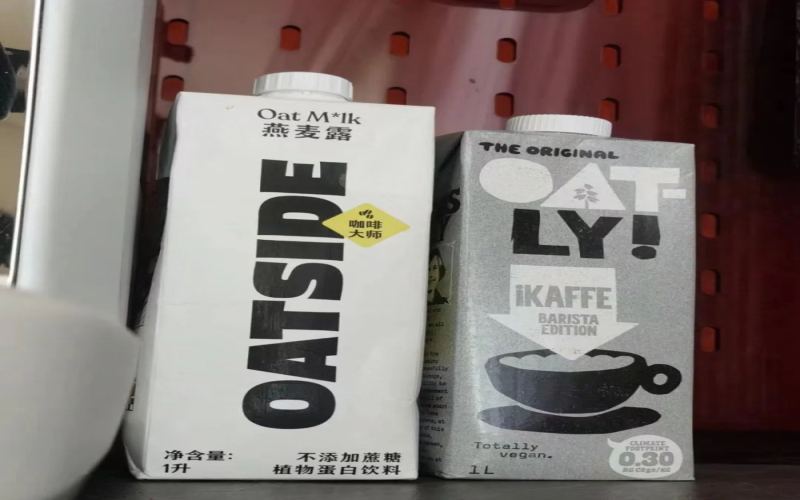
OATSIDE oat milk suspected of being disparaged by paid posters; social platform search pages flooded with posts praising OATLY and belittling OATSIDE, sparking heated discussion.
For consumers who are lactose intolerant yet can't live without caffeine, oat lattes have become a preferred alternative to traditional lattes. As the oat milk market expands rapidly, brands such as OATLY and OATSIDE have gradually entered the public eye. Recently, however, some netizens noticed that when searching for OATSIDE on social platforms, the page would be flooded with a large number of posts praising OATLY while bashing OATSIDE, with posting times concentrated, accounts mostly newly registered, and copy formats strikingly similar, sparking fans' suspicions that a competitor had hired paid internet trolls. Is this controversy a case of malicious smearing, or is there another story behind it? And what do malicious attacks mean for brands and consumers? [more…]
How to judge the milk froth steaming level for a latte versus a cappuccino, and the specific impact of milk froth on coffee taste
Many people, when tasting a latte made with Front Street Coffee, notice a distinct sweetness even without adding sugar. This is not the barista's magic, but the natural sweetness that arises when lactose in milk breaks down during heating and blends with the acidity of the espresso. The degree to which the milk foam is steamed, the temperature control, and the angle at which the steam wand is operated all directly affect the sweetness and mouthfeel of the cup. This article starts from the mechanism by which milk becomes sweeter when heated, analyzes the basic principles of steaming milk foam, explains the optimal steaming temperature range and steam wand placement techniques, and further explains why 50°C to 55°C is the ideal drinking temperature for latte, helping coffee enthusiasts more accurately grasp the influence of milk foam on flavor when making and tasting. [more…]
Why has Jersey milk become the new favorite of coffee shops? An in-depth review of its high price yet making Dirty coffee more outstanding
In today's world of constantly upgrading specialty coffee, the success of a milk coffee depends not only on the beans and the barista—the choice of milk is equally crucial. From Ice Blog to Jersey milk, competition among coffee shops over milk sources is growing ever fiercer. Jersey milk has been dubbed the "Hermès of milk," priced far above ordinary fresh milk, yet it is still sought after by many specialty cafés. What exactly justifies its high price? Is its taste truly superior? What kind of flavor performance does it bring when used to make a Dirty and a latte? Through actual testing of three different milks, this article comprehensively analyzes the application value of Jersey milk in coffee—from fat, protein, and lactose content to actual brewing results—and explores whether it is suitable for everyday milk coffee preparation. [more…]

How Does an Oat Milk Latte Differ from a Milk Latte? Master Three Key Points to Make Delicious Plant-Based Milk Coffee
For friends who are lactose intolerant, an oat milk latte is an excellent alternative for enjoying a milk coffee. But many people who make lattes at home with oat milk often find the taste somewhat bitter and not as smooth as the milk version. In fact, oat milk and dairy milk differ noticeably in composition and characteristics, so simply applying the traditional latte method often yields poor results. Drawing on Front Street's practical experience, this article provides a detailed analysis of the differences between oat milk and dairy milk lattes, and focuses on three key areas—choosing oat milk, adjusting the ratio of coffee to plant milk, and milk frothing techniques—to help you make a full-aroma, smooth-textured oat milk latte at home. [more…]

Why Is It Hard to Find Skim Milk and Decaf Coffee in Cafés? A Comprehensive Look at Demand, Cost, and Taste
Walking into a café and wanting to order a decaf coffee or skim milk, you're often told "we don't have it." For people who are sensitive to caffeine or lactose intolerant, this is undoubtedly a great regret. This article will start with the definitions, production methods, and flavor profiles of decaf coffee and skim milk, and analyze the deep-seated reasons why they are rarely served in domestic cafés—breaking them down one by one, from the proportion of consumer demand to operating costs and product consistency. At the same time, we will also recommend espresso beans suitable for pairing with skim milk, and introduce the characteristics of Front Street Coffee's decaf coffee beans, helping you find a solution that balances health and deliciousness at home too. [more…]

Tea shops launch "Bring Your Own Milk, Get 5 Off" and spark debate: Where is the boundary between convenience, food safety, and consumer responsibility?
Bringing your own cup to buy coffee is nothing new, but have you ever heard of "bringing your own milk"? A certain tea beverage brand launched a "bring your own milk, get 5 off" campaign, where customers bring their own dairy products and the store provides freshly brewed tea, sparking heated discussion among netizens. Supporters believe this is friendly to people with lactose intolerance and can also avoid additives like non-dairy creamer; opponents worry that food safety responsibilities are difficult to clarify. This article sorts out the views of all parties and compares the bring-your-own-cup rules of brands such as Starbucks and Manner, exploring how merchants should weigh the trade-off between offering discounts and risk control. [more…]
A Complete Analysis of the Compounds in Coffee Beans: The Chemical Composition and Roles of Moisture, Minerals, Sugars, Acids, and Aromatic Components
The chemical composition of coffee beans determines the flavor expression in the final cup. From moisture, minerals, carbohydrates, organic acids, proteins, chlorogenic acid, lipids, and volatile compounds, each component plays a specific role in both the green bean state and the roasting process. Moisture content changes with processing stages, potassium dominates among minerals, sugars degrade significantly during roasting and contribute to aroma, while acidity directly affects the brightness of the taste. This article will systematically outline the chemical composition of coffee beans and their effects on quality and flavor, helping coffee enthusiasts gain a deeper understanding of the material basis of specialty coffee. Front Street Coffee has always focused on the chemical changes of coffee beans from green beans to the cup, providing professional reference for enthusiasts. [more…]